Breast Augmentation Cost and What It May Include
Breast Augmentation Cost and What It May Include
Blog Article
Grasping Breast Enlargement Financial Considerations: Essential Details You Need to Grasp
Breast augmentation expenses can vary greatly, affected by multiple variables. People typically encounter a variety of expenses, including surgeon fees and implant types. Understanding these elements is vital for determining the right choice. Furthermore, hidden costs may emerge, complicating the financial landscape. As individuals evaluate their choices, it's important to balance quality with cost. What factors should one emphasize to ensure a successful outcome without unforeseen costs?

What Constitute the Average Expenses for Breast Augmentation?
When assessing breast augmentation, prospective patients often seek clarity on the typical expenses involved. The total expense for this procedure can differ significantly based on considerations such as geographic location, the surgeon's expertise, and the type of implants selected. On average, the cost falls between $3,000 to $10,000 in the United States. This figure typically includes the surgeon's fee, anesthesia, facility costs, and follow-up care.
Additional expenses may arise from pre-operative evaluations, post-operative garments, and possible revisions. Patients should also consider the long-term financial obligations associated with maintenance or replacement of implants, which may be necessary within a decade. It is essential for individuals to complete in-depth research and consult with certified practitioners to gain a detailed comprehension of the financial implications involved in breast augmentation. Ultimately, each patient's background and requirements will shape the overall price tag of the procedure.
What Choices Are Available to Fund Your Breast Augmentation?
Comprehending the monetary aspects of breast augmentation can motivate patients to look into different payment options. Many clinics offer financing options that allow individuals to spread the cost over various months, rendering the procedure more cost-effective. These plans typically require a initial contribution, followed by regular installments adjusted to the patient's budget.
Additionally, breast implants price in South Africa personal loans can be an alternative for those looking to finance their surgery on their own. Such loans often come with set interest rates and terms, allowing for predictable payments. Credit cards may also be used, but patients should be careful of elevated interest charges associated with extended balances.
Some facilities may align with third-party financing companies, which can extend competitive rates and flexible terms. It is imperative for patients to examine their financial situation and carefully check all options to ensure they determine the best financing solution for their needs.
Varieties of Dental Implants and Their Cost Implications
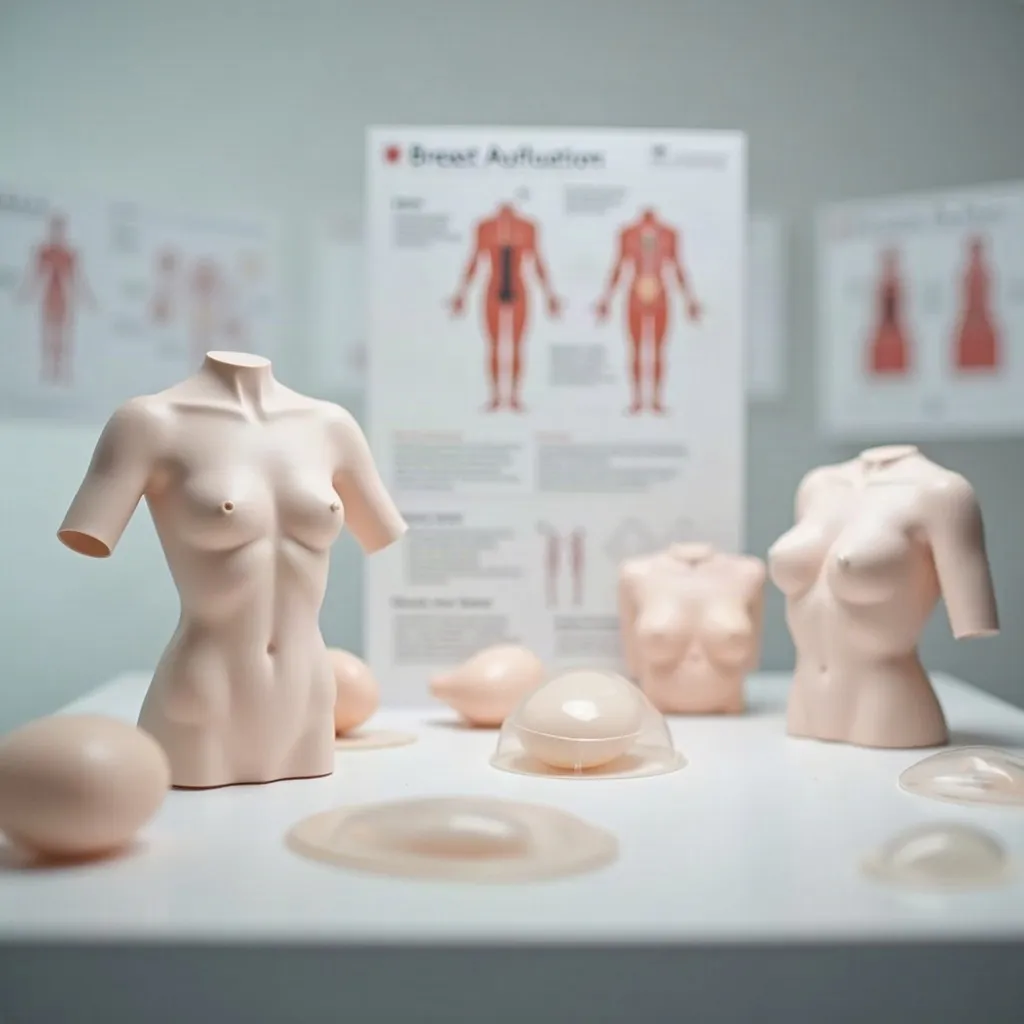
What factors influence the prices of breast implants? The kind of implant chosen plays a significant role in establishing overall costs. There are mainly two types of implants: saline and silicone. Saline implants tend to be less costly, ranging around $1,500 to $2,500 per pair. In comparison, silicone implants, which are often preferred for their more natural feel, usually range from $2,000 to $3,500. Furthermore, the brand and specific features of the implants can also influence prices. For example, textured or cohesive gel implants may have higher costs due to advanced technology and manufacturing processes. Moreover, geographic location and the surgeon's expertise can also influence pricing. Patients should consider these factors along with their personal preferences when evaluating implant options, as they can significantly impact the total financial commitment involved in breast augmentation.
Undisclosed Charges Related to Breast Augmentation You Must Be Aware of
When evaluating breast augmentation, prospective patients often ignore hidden costs that can greatly impact the overall financial commitment. Surgical facility fees and post-operative care expenses are two critical factors that can increase the total cost. Understanding these additional charges is crucial for making an informed decision.
Operating Room Facility Charges
Surgical center fees often constitute a substantial portion of the overall cost of breast augmentation, sometimes ranging from several hundred to several thousand dollars. These fees include the use of the operating room, anesthesia services, and necessary medical equipment during the procedure. The center's location, reputation, and accreditation can all affect these costs. Higher-end facilities may offer more luxurious amenities, which can add to the total expense. Additionally, hospitals may charge more than outpatient surgical centers, reflecting differences in services provided. Patients should inquire about all associated fees upfront, as unexpected costs can arise from facility charges. Understanding these fees is essential for effective budgeting and ensuring there are no surprises on the final bill.
Post-operative Care Expenses
After dealing with surgical facility fees, consideration shifts toward the frequently overlooked post-operative care expenses related to breast augmentation. These costs can substantially affect the total budget and should not be underestimated. Patients may need to acquire specialized bras or compression garments to support healing, which generally adds to the cost. Additionally, follow-up visits to monitor recovery are essential and may incur extra expenses. Pain management may also add to costs if prescription medications are needed. Furthermore, complications, though infrequent, can occur, requiring further medical attention or interventions. Understanding these potential post-operative charges is crucial for patients to prepare financially and ensure a smoother recovery process. Being knowledgeable can help lessen unforeseen financial burdens after surgery.
What additional costs must you consider?
Breast augmentation entails more than just the initial procedural cost; various further expenses can greatly influence the overall financial obligation. Patients should evaluate expenses such as anesthesia fees, which can vary depending on the variety used during the treatment. Operating center fees, associated with the surgical center, may also contribute to the total cost.
Additionally, expenses for post-operative garments, pain management medications, and subsequent medical visits should not be disregarded. Insurance coverage is typically limited for cosmetic procedures, suggesting that patients might bear these costs entirely.
Additionally, if setbacks take place, fees for corrective surgeries or continued care can pile up, further affecting the financial plan. People are counseled to conduct thorough research and plan for these potential extra costs to warrant a detailed understanding of their financial responsibilities linked to breast augmentation.
What Pitfalls Accompany Deciding on the Least Expensive Option?
Selecting the cheapest option for breast enhancement can result in substantial dangers, including potential complications and adverse outcomes. Often, reduced costs are associated with inferior quality substances, which can compromise both protection and aesthetic results. It is crucial to take these factors into account to ensure a satisfactory and safe operative procedure.
Foreseeable Drawbacks and Issues
Opting for the budget-friendly breast augmentation can lead to serious risks and complications that may exceed the first savings. Those opting for economical options often run into issues like subpar surgical techniques and insufficient post-operative care. These factors can increase the likelihood of complications, including infection, implant rupture, or asymmetry. Additionally, cheaper procedures often are missing proper patient screening, leading to unforeseen health risks. The long-term results may be affected, requiring follow-up surgeries that add to expenses. Patients may also face emotional well-being challenges if the results are below expectations. Ultimately, prioritizing cost over quality can result in a cycle of dissatisfaction and additional financial burdens, underscoring the importance of thoughtful decision-making in breast augmentation.
Standard of Resources Applied
The allure of lower costs in breast augmentation often obscures the potential dangers connected to inferior materials. Selecting cheaper implants can produce a range of complications, including increased risk of rupture, leakage, and adverse reactions. Low-quality materials may also lack essential certifications, creating worries about safety and longevity. Patients selecting budget options might experience a higher likelihood of revision surgeries, resulting in greater overall costs and emotional distress. Moreover, subpar implants can lead to aesthetic issues, such as unnatural shapes or inconsistent sizes. Ultimately, prioritizing quality over cost is vital in ensuring satisfactory and safe breast augmentation outcomes, underscoring the importance of investing in reputable products and skilled professionals.
Common Asked Inquiries
Does My Insurance Pay for Any Portion of the Breast Augmentation Cost?
Generally, health coverage does not pay for breast augmentation costs, as it is deemed a cosmetic procedure. However, exceptions may be present for reconstructive procedures or cases involving medical necessity, subject to individual policies and conditions.
What Approaches Can Help Me Identify the Appropriate Physician for My Available Funds?
To pick the right surgeon on a budget, one should examine qualifications, check reviews, assess costs, and set up consultations. Focusing on experience and expertise over price guarantees a balance between affordability and quality care.
What Are the Age Guidelines for Undergoing Breast Augmentation Procedures?
Breast enhancement generally has no rigid age limits; yet, numerous surgeons require patients be at least 18 years old for saline breast implants and 22 for silicone breast implants, ensuring mental and physical readiness.
What Is the Average Healing Duration After Breast Enhancement?
The standard recovery time after breast augmentation spans one to two weeks for initial healing, with complete recovery potentially taking several months. Patients may experience soreness and inflammation during this period, requiring meticulous post-operative care.
May I Integrate Breast Augmentation With Other Cosmetic Procedures?
Yes, individuals can often pair breast augmentation with other aesthetic treatments, such as liposuction or tummy tucks. Consulting a qualified surgeon is essential to evaluate the risks, benefits, and overall suitability of combining treatments.
Report this page